Overview: The Kia Carnival’s powered sliding doors combine a motor, cable or actuator, latch, rollers, control module and safety sensors. Singapore family use means frequent cycles, rainwater, dust and children pulling the door can expose weak points. A door that stops halfway is not merely inconvenient: it may not latch securely or may obstruct traffic. I treat it as a safety and electrical diagnosis, not just a switch replacement.
The kia carnival’s powered sliding doors combine a motor, cable or actuator, latch, rollers, control module and safety sensors. singapore family use means frequent cycles, rainwater, dust and children pulling the door can expose weak points. a door that stops halfway is not merely inconvenient: it may not latch securely or may obstruct traffic. i treat it as a safety and electrical diagnosis, not just a switch replacement. is a frequent concern for Singapore drivers because heat, rain and stop-start use expose weak components. I work with owners from Ang Mo Kio, Hougang, Yio Chu Kang and Serangoon and begin with the actual complaint, not a parts catalogue.
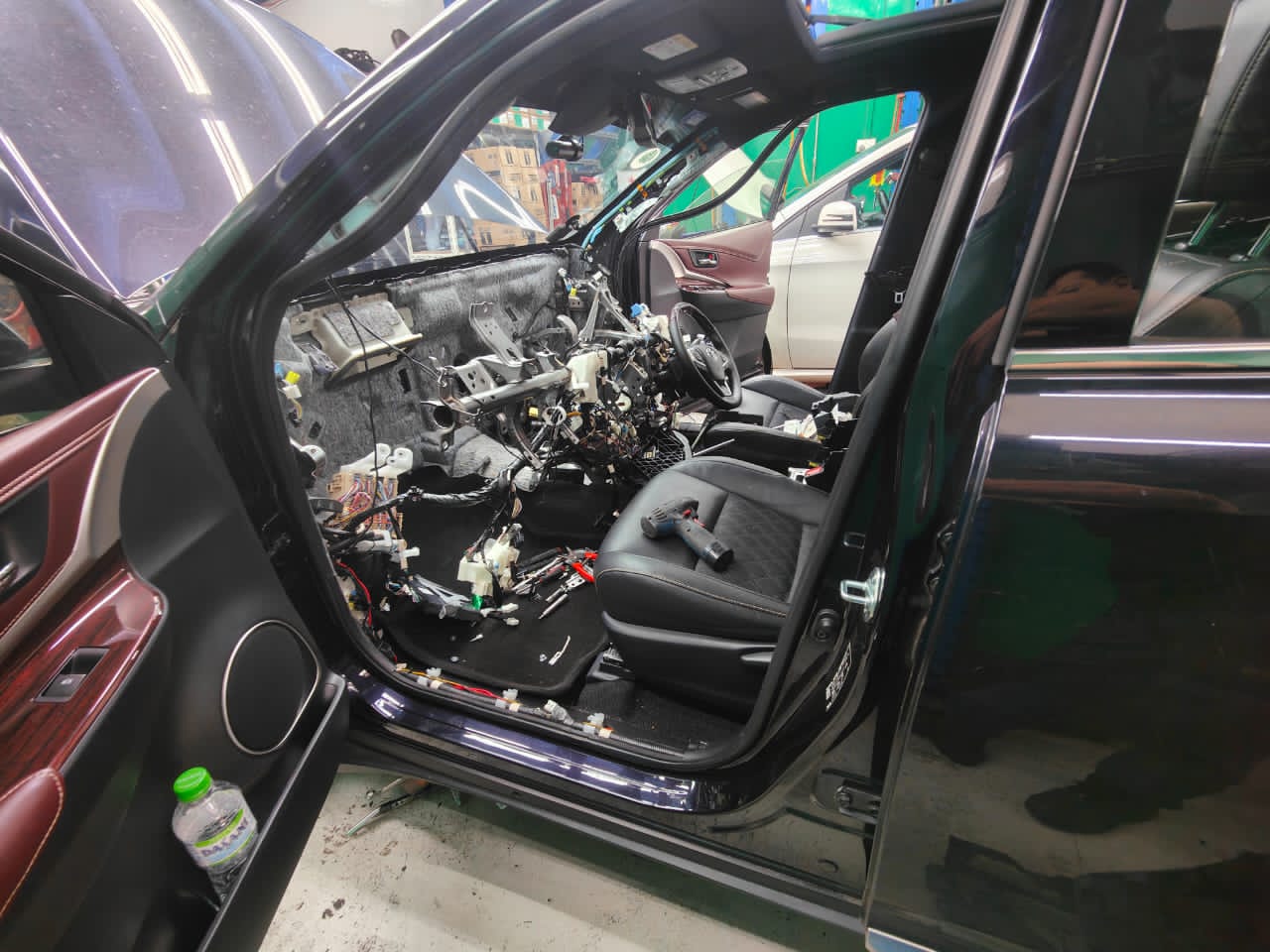
The safest repair is the one supported by testing. A warning light or unusual behaviour should be recorded with the time, temperature and driving condition. This approach keeps routine maintenance, diagnosis and repair separate.
Symptoms
Owners report a door stuck open or closed, repeated warning beeps, a motor that hums, intermittent remote operation, partial opening, a door reversing immediately or a “door open” message when it appears shut. Check whether the fault affects one side, whether manual movement is smooth and whether the battery was recently flat. Never force a powered door while its motor is engaged.
Root Causes
Common causes include a tired 12-volt battery, blown fuse, broken wiring in the hinge area, dirty or misaligned latch, failed hall sensor, worn rollers, cable stretch, actuator failure and water intrusion. An obstacle or heavy load can trigger anti-pinch protection. A weak battery can create multiple false symptoms, so replacing a motor without checking voltage wastes money.
Edwin’s Diagnosis
I reproduce the fault with the vehicle safely supported, scan body-control codes, check battery voltage and fuses, then inspect tracks, rollers, latch alignment and harnesses. I monitor switch and sensor states while operating the door. I distinguish mechanical resistance from an electrical command fault and check whether the door module needs calibration after repair.
Repair Process
A repair may involve cleaning and aligning the track, repairing a harness, replacing a roller, actuator, latch or motor, then calibrating the anti-pinch system. I secure the door before dismantling and test manual release, remote, interior switch, emergency stop and obstruction reversal. If replacement is needed, I compare new, remanufactured and used parts by warranty and reliability rather than choosing the cheapest listing.
Cost in Singapore
Diagnosis is often S$50–S$150. A fuse, adjustment or wiring repair may be S$80–S$300; rollers, latches and actuators commonly range S$250–S$900, while a motor or module can exceed S$1,000. Exact cost depends on model year and whether programming is needed. A written quote should identify the failed component, not just say “sliding door repair”.
Prevention
Keep the track clean, do not hang weight from the door, and report slow movement early. Lubricate only with a product suitable for the mechanism; excess grease attracts grit. Check the 12-volt battery during car servicing in Singapore. If a warning appears, read relevant dashboard warning lights and avoid repeated cycling.
FAQs
Q: Can I close the door manually?
A: Only using the manufacturer’s manual procedure and with power isolated as instructed. Forcing it can damage the cable or motor.
Q: Why does it beep and reverse?
A: Anti-pinch may detect resistance, misalignment or a false sensor signal. Track condition and live sensor data must be checked.
Q: Is a used motor acceptable?
A: Sometimes, if tested and warrantied. I explain the risk because used powered-door parts have unknown cycle history.
Q: Is the 12-volt battery relevant?
A: Yes. Low voltage can cause module and actuator faults, especially after the car sits unused.
When to Seek Help
Do not carry passengers with a door that will not latch, or drive with a door-open warning. Secure the vehicle and seek help if the door is stuck in traffic, makes grinding noises or moves unpredictably. Edwin Garage in AMK can test the system before recommending a part, helping Carnival owners from Hougang and Yio Chu Kang avoid unnecessary replacement.
For related maintenance decisions, see car servicing in Singapore, car workshop in Ang Mo Kio, dashboard warning lights, engine overheating, brake service, transmission fluid service. These guides complement an in-person inspection and help you prepare useful questions.
For vehicle-specific advice, Edwin Garage provides transparent car servicing and repair with practical options for Singapore owners. Bring your service records and describe the symptom honestly; that helps me reach the right answer faster.
Powered doors also need mechanical care. A clean track does not mean pouring general-purpose oil everywhere; the wrong lubricant can attract grit or affect sensors. I inspect roller wear and door alignment with the door partially open, then confirm that the latch reaches its fully closed position. A door that looks shut but remains electronically “open” can prevent locking and create a battery drain overnight.
When a module or motor is replaced, calibration is important. The system must learn closed and open positions and retain anti-pinch protection. I test from every switch, remote operation and manual release, then watch the door under repeated cycles. The family should know not to pull against a powered door and to keep hands clear of the edge. Those habits reduce stress on the cable and motor.
A battery replacement or jump-start can expose a door fault but may not be its root cause. I document voltage before and after charging and check grounds. If water entered a connector, drying the visible area without repairing the seal only postpones failure. Proper diagnosis considers the environment, wiring and mechanical load together, which is why a quick motor swap is not always economical.
For a Carnival with a door stuck open, park securely away from moving traffic and use the handbook’s securing method. Do not transport children beside an unsecured opening. If the door is stuck closed, confirm that emergency access remains available and arrange a workshop visit rather than repeatedly pressing the switch. A clear description of beeps and movement pattern lets me prepare the right testing equipment.
Good maintenance starts with a useful conversation. Tell me what changed, when it happens and what work was done recently. A photograph of a warning message or a note of the mileage can save diagnostic time. I explain findings in plain language and give the owner a choice where more than one safe repair is possible. That is especially important for older cars, where spending should match the vehicle’s remaining value.
Parts and labour should be considered together. A cheaper component that requires repeated removal is not necessarily cheaper, while a quality repair may prevent collateral damage. I check the surrounding system and test the completed job rather than assuming the new part solved everything. Owners receive practical advice on what to monitor after collection and when to return.
Singapore conditions reward prevention: frequent traffic, rainwater, high ambient temperatures and short journeys all count as severe use for some components. A sensible schedule, correct fluids and prompt attention to unusual behaviour reduce breakdown risk. Whether the vehicle is used for school runs, commuting or deliveries, the right service plan is based on actual use and history.
Before approving work, I outline the likely outcome and the limits of the repair. Diagnosis can sometimes rule out an expensive component, which is good news even when it means the first visit is only an inspection. If testing finds more than one issue, I prioritise safety and damage prevention, then schedule lower-risk comfort items later. This keeps the car dependable without turning maintenance into guesswork.
A road test after repair is part of the job. I check the original symptom under the same conditions where possible, look for new noises and recheck fluid levels, connectors and warning memories. If a fault remains, I want the owner to return quickly so we can continue from the recorded baseline. Honest aftercare is as important as the initial recommendation.
Owners near the workshop can make diagnosis easier by bringing previous invoices and the keys used with the vehicle. Mention modifications, imported parts or recent jump-starts. These details change test strategy. With accurate history and measured results, an AMK workshop can serve drivers from Hougang, Yio Chu Kang and Serangoon efficiently and avoid replacing good parts.
My workshop advice is always practical, honest and focused on keeping your family safe on Singapore roads. Clear records and timely checks make future repairs faster, safer and easier to budget.
More Hyundai-Kia Guides
- Kia Seltos Common Problems in Singapore: Symptoms, Repairs & Costs
- Hyundai Tucson Engine Oil Consumption: Normal or a Fault in Singapore?
- Kia Carnival Sliding Door Electrical Problems in Singapore: Causes, Diagnosis & Repair
- Kia Sportage CVT Problems: What Singapore Drivers Report
- Hyundai Avante Aircon Not Cold: Common Faults in Singapore