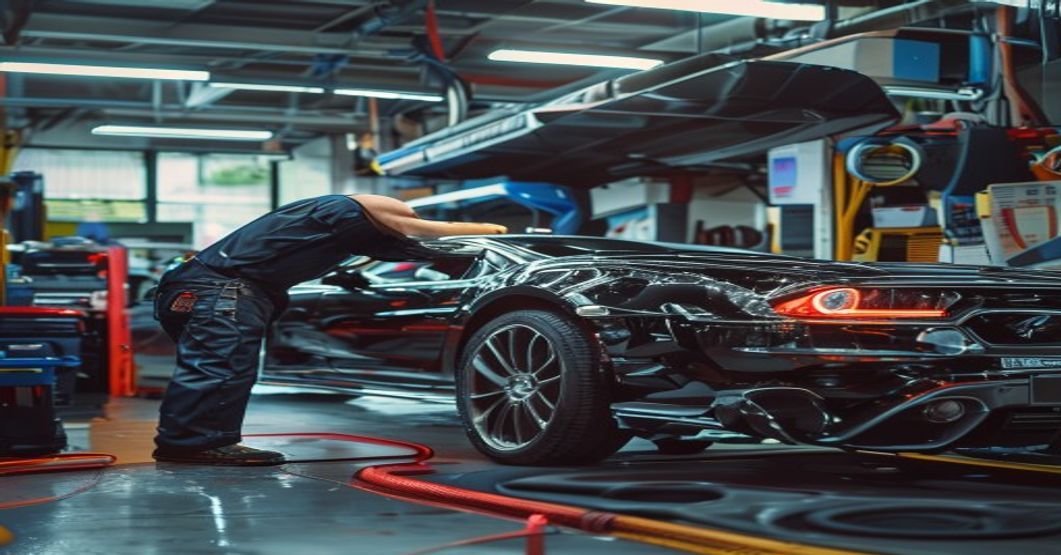
Most car owners know they need regular servicing, but many are unsure what actually happens during a service, how often it should be done, and whether they are paying for work their car doesn't need.
At Edwin Garage, we believe servicing is more than just changing engine oil. A proper service is a preventive health check designed to identify small issues before they become expensive repairs. Whether you drive a Toyota, Honda, BMW, Mercedes-Benz, Mazda, Tesla, or another make, following the correct maintenance schedule can extend your vehicle's lifespan, improve fuel efficiency, and reduce the risk of unexpected breakdowns.
What Is Car Servicing
Car servicing is a scheduled maintenance programme that keeps your vehicle operating safely and reliably. It involves replacing consumable items, inspecting wear-and-tear components, checking fluid levels, and identifying developing problems before they lead to major repairs.
Unlike repairs, which fix an existing fault, servicing aims to prevent faults from occurring.
How Often Should You Service Your Car in Singapore
For most vehicles driven in Singapore, servicing is recommended every 10,000 km or every 6 months, whichever comes first.
However, your driving habits may require more frequent maintenance if you:
- Drive daily in heavy traffic.
- Frequently make short trips.
- Operate ride-hailing or commercial vehicles.
- Tow heavy loads.
- Drive high-performance or turbocharged vehicles.
Following your manufacturer's maintenance schedule is always recommended.
What's Included in a Standard Car Service
A professional service should include much more than an engine oil change.
Typical inspections include
Engine
- Replace engine oil.
- Replace oil filter.
- Check for oil leaks.
- Inspect drive belts.
- Check coolant condition.
- Inspect engine mounts.
Braking System
- Measure brake pad thickness.
- Inspect brake discs.
- Check brake fluid condition.
- Inspect brake hoses.
Suspension & Steering
- Check shock absorbers.
- Inspect suspension bushes.
- Check stabiliser links.
- Inspect steering components.
Tyres
- Check tyre pressure.
- Measure tyre tread depth.
- Inspect uneven tyre wear.
Battery & Electrical
- Test battery health.
- Check charging voltage.
- Inspect exterior lighting.
- Scan for warning fault codes where applicable.
Air Conditioning
- Check cooling performance.
- Inspect cabin filter.
- Examine compressor operation.
Fluids
- Engine coolant.
- Brake fluid.
- Transmission fluid (where applicable).
- Power steering fluid (if fitted).
- Windscreen washer fluid.
Common Problems Found During Routine Servicing
Regular servicing often uncovers developing issues before they become serious.
Some examples include
- Worn brake pads.
- Oil seepage from valve cover gaskets.
- Coolant leaks.
- Cracked drive belts.
- Weak batteries.
- Damaged suspension bushes.
- Tyre alignment issues.
- Air-conditioning refrigerant leaks.
Detecting these faults early usually results in lower repair costs.
Why Cheap Servicing Can Cost More
Some workshops advertise extremely low servicing prices but may only replace the engine oil without performing a thorough inspection.
A proper service should involve
- A complete visual inspection.
- Safety checks.
- Fluid inspections.
- Professional recommendations supported by evidence.
Servicing is not just about replacing oil—it is an opportunity to identify safety concerns before they develop into expensive failures.
Genuine, OEM or Aftermarket Parts
Customers often ask which option is best.
Genuine Parts
Manufactured or supplied by the vehicle manufacturer.
Advantages
- Highest compatibility.
- Manufacturer specifications.
- Usually the longest service life.
OEM Parts
Produced by the same manufacturer that supplies the original factory component but sold without the vehicle brand packaging.
Advantages
- Comparable quality.
- Better value.
Quality Aftermarket Parts
Manufactured by reputable third-party companies.
Advantages
- Lower cost.
- Suitable for many repairs when quality brands are selected.
The best choice depends on the vehicle, the component involved, and the owner's budget.
When Should You Service Earlier
Do not wait for your scheduled service if you notice:
- Engine warning light.
- Knocking noises.
- Burning smells.
- Engine overheating.
- Excessive vibration.
- Oil leaks.
- Brake squealing.
- Steering pulling to one side.
These symptoms require diagnosis rather than routine servicing.
Frequently Asked Questions
Can I delay my service by 2,000 km
A short delay is unlikely to cause immediate damage for most vehicles, but repeatedly exceeding service intervals can accelerate engine wear and reduce long-term reliability.
Is synthetic oil worth the extra cost
For most modern engines, synthetic oil provides better protection, especially under Singapore's hot climate and frequent stop-start traffic.
Does servicing improve fuel economy
Yes. Clean engine oil, correct tyre pressure, clean air filters and properly maintained components can all contribute to better fuel efficiency.
Will servicing prevent breakdowns
No workshop can guarantee that a vehicle will never break down. However, regular servicing significantly reduces the likelihood of unexpected failures by identifying problems early.
Real Workshop Case Study
A customer brought in a BMW with no warning lights and requested only a routine service.
During our inspection, we noticed a slight coolant residue near the water pump. The leak was minor and had not yet affected the coolant level or triggered any dashboard warnings.
The customer chose to replace the faulty component during the service visit.
Had the issue gone unnoticed, it could eventually have led to engine overheating and a much more expensive repair.
This illustrates why a comprehensive inspection is just as important as replacing engine oil.
Why Customers Choose Edwin Garage
Every vehicle that comes through our workshop is inspected using a systematic approach.
Our servicing philosophy is simple
- Perform a thorough inspection, not just an oil change.
- Explain findings clearly before recommending repairs.
- Show customers the worn or damaged parts whenever possible.
- Recommend repairs based on condition, not guesswork.
- Offer genuine, OEM and quality aftermarket parts to suit different budgets.
- Focus on long-term reliability and customer safety.
Our aim is to help customers make informed decisions rather than encouraging unnecessary repairs.
Related Services
If additional issues are identified during servicing, we also provide:
- Engine diagnostics
- Brake repairs
- Suspension repairs
- Air-conditioning repairs
- Accident repairs
- Panel beating
- Dent removal
- Spray painting
- Pre-purchase inspections
- Hybrid and electric vehicle diagnostics
Final Thoughts
Routine servicing is one of the best investments you can make in your vehicle. It helps maintain reliability, supports safety, and can reduce the likelihood of expensive repairs by identifying issues before they become major problems.
Choosing a workshop should not be based solely on the lowest advertised price. Look for technicians who explain their findings, follow a structured inspection process, and recommend repairs based on evidence.
A well-maintained vehicle is not just more reliable—it is also safer, more economical to own, and better prepared for the demands of everyday driving in Singapore.
Book your appointment online at sggarage.com. For enquiries, WhatsApp us at 97856612. Edwin Garage — Ang Mo Kio, open 10am–8pm, closed Sundays.
Key Takeaways
- What Is Car Servicing
- How Often Should You Service Your Car in Singapore
- What's Included in a Standard Car Service
- Common Problems Found During Routine Servicing
📚 More on Car Servicing & Repair
- Car Repair Cost Singapore: How to Know If You’re Being Overcharged
- Car Side Mirror Repair Singapore: Fix Folding & Clicking Mirror Problems
- Pre-Purchase Inspection Singapore: What a Proper PPI Should Cover
- Car Servicing in Singapore: What Every Car Owner Should Know Before Choosing a Workshop
- Car Interior Deep Cleaning & Fumigation Singapore
- Engine Oil Servicing Packages – Ang Mo Kio
- How to Book an Appointment at Edwin Garage
- Car Servicing Cost Singapore 2026: What You Should Realistically Expect to Pay
Got a Question? Ask Edwin
Edwin Garage is in Ang Mo Kio. We serve Hougang, Yio Chu Kang, Serangoon & surrounding areas.
WhatsApp Edwin Book Appointment📚 More on Car Servicing & Repair
- Pre-Purchase Inspection Singapore: What a Proper PPI Should Cover
- Car Servicing in Singapore: What Every Car Owner Should Know Before Choosing a Workshop
- Car Interior Deep Cleaning & Fumigation Singapore
- Engine Oil Servicing Packages – Ang Mo Kio
- How to Book an Appointment at Edwin Garage
- Car Side Mirror Repair Singapore: Fix Folding & Clicking Mirror Problems