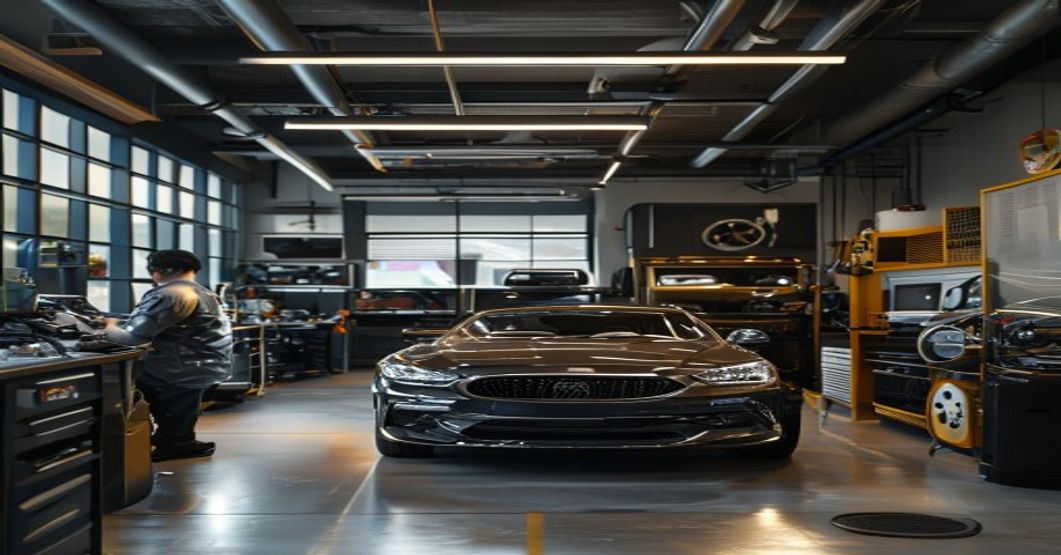
How a new car owner in Singapore can choose a reliable workshop
If you have just bought your first car, choose a workshop that explains the fault before recommending work, gives a clear written estimate, uses suitable parts, and is willing to answer practical questions about safety and timing. Do not wait for a breakdown to find one. A simple first service or inspection is a low-risk way to assess communication, workmanship and transparency before you need urgent help.
A reliable workshop is not simply the closest one or the one with the lowest headline price. Your car is a major commitment in Singapore, and routine maintenance, a warning light or a worn braking part all deserve decisions based on evidence rather than pressure. This guide explains what first-time owners should look for, what to ask and when a symptom cannot wait.
Start with the right expectation: a workshop should diagnose, not guess
Every car makes noises, develops wear and eventually needs maintenance. The useful question is not “what part can be changed fastest” but “what test supports this recommendation” A capable workshop starts by listening to the symptom, checking the vehicle’s condition and explaining the likely cause and next steps.
For a straightforward scheduled service, the inspection may be brief. For a warning light, overheating, poor braking, vibration, difficult starting or air-conditioning problem, the process may include a visual inspection, road test where appropriate, fault-code scan, electrical checks, fluid checks, pressure or temperature tests, and confirmation after the repair. The exact tests depend on the symptom and vehicle.
Be cautious if a major component is recommended immediately without a clear explanation. A fault code, for example, can point technicians towards a circuit or system; it does not always prove that one expensive part has failed. Good diagnosis helps avoid paying for a part that does not solve the underlying problem.
What a reliable car workshop in Singapore should offer
Clear communication before work begins
You should understand what has been found, why it matters and which work is essential now versus sensible to monitor. Ask for plain-English explanations. A workshop does not need to predict every future repair, but it should distinguish an immediate safety issue from ordinary wear.
A transparent estimate
Before approving non-routine work, ask for an itemised estimate covering labour, parts, consumables and any diagnostic charge. If the workshop discovers extra work after dismantling, it should seek approval before proceeding where reasonably possible. The cheapest quote can become expensive if it omits necessary items or uses a short-lived solution.
Appropriate parts choices
There may be more than one sensible parts route. Genuine parts are supplied through the vehicle maker’s channels. OEM parts are made to the original manufacturer’s specification or by an original supplier, depending on the product. Quality aftermarket parts can also be suitable for some repairs. The best option depends on the part’s function, the vehicle’s age, availability and your priorities. Ask what is being fitted and why it is appropriate; do not assume every non-genuine part is the same.
Evidence and an understandable handover
Where practical, a workshop can show you a worn component, a leak, a scan result or a test reading. At handover, you should receive a record of work completed and practical advice on what to observe next. Keep invoices and service records; they help you track maintenance and can be useful when selling the car.
Questions to ask before booking your first visit
- What does the initial inspection or diagnosis involve for my symptom
- Is there a diagnostic fee, and is it separate from repair labour
- Will I receive an estimate before repairs start
- Which parts options are available: genuine, OEM or quality aftermarket
- What is essential for safety now, and what can I monitor or plan for later
- How long is the inspection likely to take, and could parts availability affect repair time
- Can you show me the failed or worn part where practical
- What maintenance record should I keep after the visit
These questions are not confrontational. They establish a shared understanding, which makes it easier for both owner and workshop to make good decisions.
A practical first-visit checklist for new car owners
Bring useful information
Bring the service booklet or digital service history if you have it, previous invoices, warranty information and a note of any symptoms. For intermittent faults, record when they happen: cold start or warm engine, idling or moving, rain or dry weather, before or after refuelling, and whether any dashboard message appears. A short video of a noise can be helpful when it is safe to capture.
Describe symptoms, not a self-diagnosis
Say “the steering vibrates at motorway speed” or “the aircon is cold while moving but warm at traffic lights,” rather than insisting that a particular part is faulty. Your observation is valuable evidence. Leaving room for testing protects you from an incorrect assumption.
Agree on approval limits
Tell the workshop whether you want a call before any work beyond the inspection, and set a spending limit if useful. Clarify whether the quoted work includes re-testing after repair. This is especially important for faults that can have several causes.
Common new-owner concerns and what they may mean
| What you notice | Possible explanation | What to do |
|---|---|---|
| Service reminder appears | A scheduled service interval, not necessarily a breakdown | Book a service and check what is due by mileage, time and vehicle history. |
| Engine warning light stays on | Can involve emissions, ignition, fuel, sensors or another monitored system | Arrange diagnosis soon; stop if the light flashes or the engine runs badly. |
| Aircon is weak or inconsistent | Airflow, refrigerant leak, fan, compressor, sensor or control issue | Have the system tested rather than simply requesting a gas top-up. |
| Brake squeal or vibration | Could be normal surface noise, worn pads, disc condition or another issue | Seek inspection promptly, especially if braking feel changes. |
| Slow cranking or repeated battery warning | Battery condition, charging system, connections or electrical load | Test the battery and charging system; do not rely only on a jump-start. |
| Fluid under the car | Could be harmless water from aircon drainage or a leak | Check the colour, smell and location only if safe; arrange inspection if uncertain. |
Service intervals: follow the vehicle, not a generic rule
Singapore driving includes heat, humidity, stop-start traffic and short journeys. These conditions can affect fluids, batteries, tyres, brakes and air-conditioning performance. However, there is no single maintenance interval that fits every make and model. Follow the manufacturer’s service schedule, taking account of your mileage, vehicle age and driving pattern.
A routine service should not be treated as an automatic list of replacements. It is an opportunity to inspect wear items and confirm fluid condition, tyre condition, brake condition and any emerging leaks or noises. Ask what was inspected, what was replaced and what was found acceptable for now.
For a more detailed guide to planned maintenance, see Car Servicing Checklist in Singapore: What to Check, Ask and Keep on Record.
How to compare quotations fairly
Compare like with like. Two quotes may look very different because they cover different parts, quantities, labour steps or testing. Check the parts brand or specification, whether fluids and consumables are included, whether the quote is for a confirmed repair or preliminary diagnosis, and whether there may be additional work once the component is accessed.
For diagnostic repairs, it is reasonable for a workshop to charge for methodical testing. Skipping diagnosis to save a small amount can lead to repeated visits or an unnecessary replacement. Ask what the next test or decision point will be if the first suspected cause is not confirmed.
Singapore cost and timing factors to understand
Repair cost depends on the vehicle model, access to the component, parts specification, whether a fault has been confirmed, and whether related components or fluids need attention. Imported or less common parts can have longer lead times. A simple inspection may be completed during the visit, while an intermittent electrical issue, aircon leak or internal mechanical problem can need more time to identify accurately.
Ask for a realistic timing estimate after diagnosis. A reliable workshop should explain if the job depends on parts availability, additional inspection or a follow-up test. Promises of an instant repair before the fault is understood are not always a sign of good service.
Can you still drive A simple safety guide
Usually safe to monitor briefly
A routine service reminder, a minor interior trim noise or reduced aircon performance without other vehicle symptoms can normally be booked in promptly. Continue to observe the car and do not ignore a problem that gets worse.
Drive carefully and arrange inspection soon
Examples include a persistent engine warning light with normal running, unusual suspension noise, a weak battery, aircon that cuts in and out, or mild brake noise with normal braking feel. Reduce unnecessary journeys and obtain guidance if the symptom changes.
Stop and seek recovery or urgent assistance
Do not continue driving if the engine is overheating, there is a strong burning smell, heavy smoke, a major fluid leak, a flashing engine warning light accompanied by rough running, a brake pedal that feels abnormally soft or sinks, severe loss of braking, a failed drive belt, or a high-voltage warning on a hybrid or EV. Continuing can create a serious safety risk or increase damage.
Edwin Garage’s diagnostic-first approach
At Edwin Garage, the aim is to identify the root cause before recommending a repair. The process begins with your description of the problem and a suitable inspection, followed by a clear explanation of findings and available options. Where appropriate, genuine, OEM and quality aftermarket choices can be discussed so you can decide based on function, budget and vehicle needs.
New owners should never feel embarrassed about asking questions. A dependable workshop helps you understand what is urgent, what can be planned and how to maintain a sensible repair record. That clarity is often more valuable than a quick guess.
Frequently asked questions
How do I find a reliable workshop as a first-time car owner in Singapore
Look for clear diagnosis, written estimates, suitable parts options and straightforward answers about safety and timing. Start with a planned service or inspection before an emergency occurs.
Should I use the dealer or an independent workshop
Either can be appropriate. Consider your vehicle’s warranty status, the work needed, service history and the workshop’s ability to explain and perform the repair properly.
Is the cheapest workshop quote always best
No. Check what parts, labour, testing and fluids are included. A low price without diagnosis or clear scope can cost more if the issue returns.
What is the difference between genuine and OEM parts
Genuine parts are supplied through the vehicle maker’s channels. OEM refers to parts made to original specification or by an original supplier, depending on the product. Ask about the exact part being offered.
Can a workshop diagnose a warning light without replacing parts
Yes. Scanning fault codes and performing follow-up tests can help identify the cause. A code is a clue, not automatically proof of a failed component.
How often should a new car be serviced
Follow its manufacturer schedule, adjusted for the vehicle’s mileage, age and use. Check the service booklet or ask the workshop to explain what is due.
Do I need to book ahead
Booking is helpful for planned servicing and diagnosis because it lets the workshop allocate time. For an urgent symptom, contact a workshop for immediate guidance.
What should I keep after a service
Keep the invoice, service report, parts information and any recommended follow-up work. These records support maintenance planning and resale documentation.
Can I keep driving with an engine warning light on
A steady light may allow cautious travel to a workshop if the car runs normally, but it should be diagnosed soon. Stop if it flashes, the engine loses power or runs roughly.
Should I top up aircon refrigerant when cooling becomes weak
Not without diagnosis. Refrigerant does not normally get used up; low charge can indicate a leak. Read Car Aircon Not Cold in Singapore: Causes, Repair Options and Safe Decisions for more guidance.
What should I do if I am unsure whether a repair is urgent
Describe the symptom and ask the workshop to classify it as safe to monitor, needs prompt attention or requires stopping the vehicle. When in doubt about brakes, overheating, smoke or major leaks, do not take chances.
Final takeaway
The best time to find a reliable workshop is before your car forces the decision. Choose one that diagnoses before replacing, explains estimates clearly and treats your questions as part of the job. With a good maintenance record and early attention to genuine warning signs, a new car owner can make calmer, safer and more cost-conscious decisions on the road.
Key Takeaways
- How a new car owner in Singapore can choose a reliable workshop
- Start with the right expectation: a workshop should diagnose, not guess
- What a reliable car workshop in Singapore should offer
- Questions to ask before booking your first visit
Got a Question? Ask Edwin
Edwin Garage is in Ang Mo Kio. We serve Hougang, Yio Chu Kang, Serangoon & surrounding areas.
WhatsApp Edwin Book Appointment📚 Related Guides from Edwin Garage
- Car Power Window Repair Singapore | Affordable Power Window Specialist
- Common Honda Earth Dreams Engine Problems – Honda Vezel, Shuttle, Freed, Jazz, Odyssey & Civic
- CVT Transmission Service: What Singapore Drivers Need to Know
- Car Servicing in Singapore: What Every Car Owner Should Know Before Choosing a Workshop