
A car diagnostic fee pays for an agreed investigation, not automatically a repair or a guaranteed answer. Before approving it, ask which complaint will be assessed, what tests are included, where the spending limit sits and what findings you will receive. A code scan, an initial assessment and extended fault tracing are different scopes.
At Edwin Garage, our approach as a car servicing and repair workshop in Ang Mo Kio is to separate the question “what is wrong?” from “what should we replace?” This guide explains diagnostic charges and deliverables, rather than offering a price list. Drivers comparing a car workshop in Singapore should compare the work authorised, not just the headline fee.
What does a diagnostic fee actually cover?
Diagnosis is a process of narrowing possibilities using the complaint, vehicle information, observations and targeted tests. Depending on the agreed scope, it can involve a visual assessment, electronic scanning, live-data review, electrical measurements, mechanical checks or reproducing a symptom under controlled conditions. Not every vehicle or complaint needs all those steps.
An initial assessment may establish the next useful test without establishing the final failed component. Extended investigation can require extra access, a cold start, heat-soak time or monitoring. Ask whether those activities are included before leaving the vehicle. Our guide to evidence-led car diagnosis explains the technical process; here, the focus is what you are authorising and paying for.
Signs that the scope needs clarification
- The quotation says only “computer check”, with no stated complaint or deliverable.
- You expect a repair, but the approved amount covers investigation only.
- Several unrelated symptoms are listed without agreement on which comes first.
- Road testing, dismantling or an overnight stay is assumed rather than discussed.
- No one has explained what happens if the symptom does not appear.
These gaps do not by themselves prove poor workmanship or unfair charging. They are reasons to pause and obtain a clearer description. We would rather have a precise discussion at the start than have an owner discover that “check the car” meant something different to each person.
Why one diagnostic job takes longer than another
There is no honest universal ranking of diagnostic difficulty. A constant, accessible fault can be straightforward; a similar complaint that appears only after a particular drive may take much longer. Singapore heat, rain and stop-start journeys can change the conditions under which a symptom occurs, but weather alone does not identify a cause.
For someone travelling from Hougang or Yio Chu Kang, a fault that disappears before reaching our Ang Mo Kio workshop creates a practical scheduling issue. Record whether it happens before the first start, after expressway driving or with specific electrical loads. Do not recreate dangerous conditions. Our intermittent-fault preparation guide explains useful observations without turning the driver into a test technician.
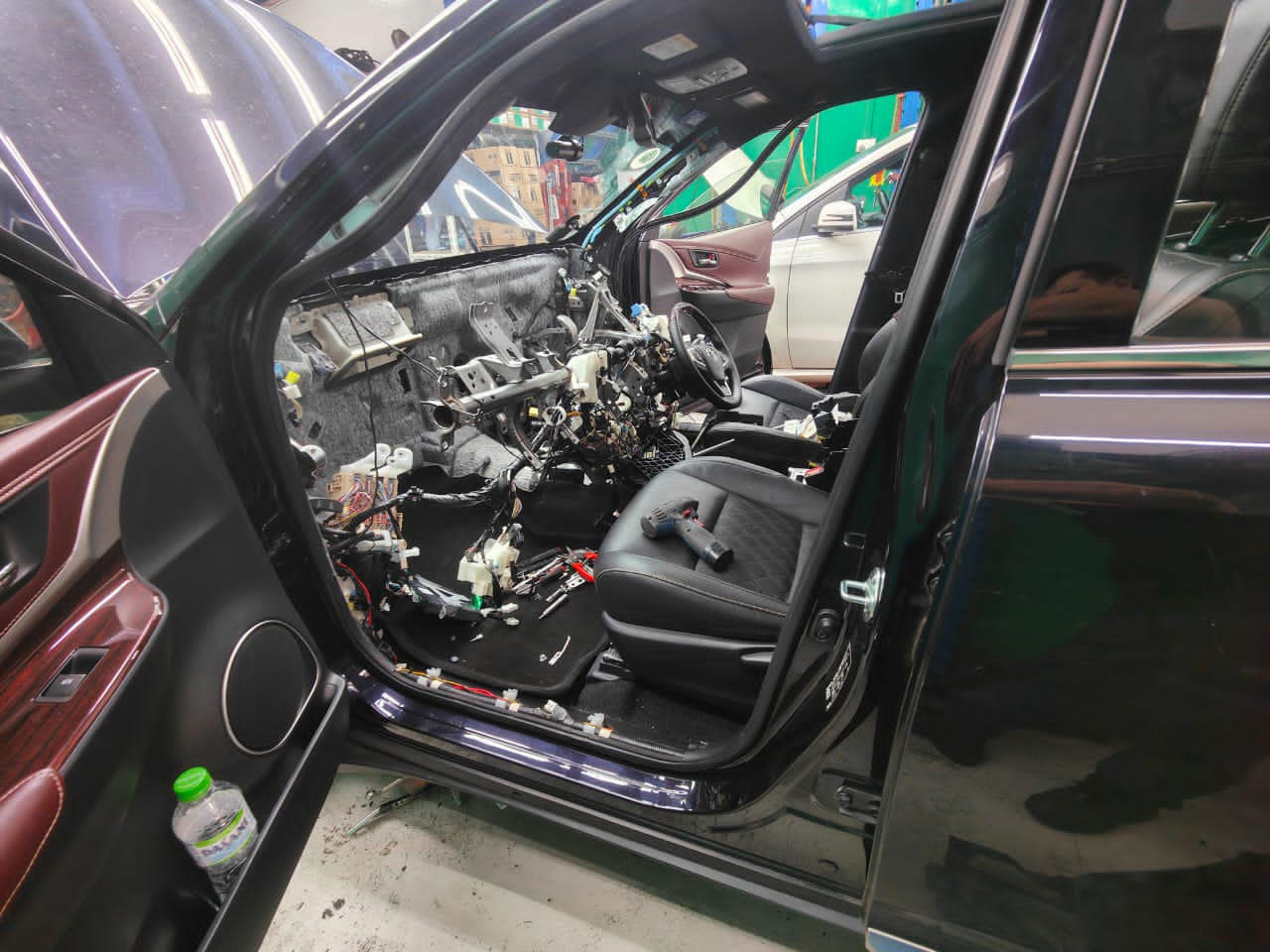
Access also matters. A visible connector and a component behind trim are not equivalent jobs. Specialist information, circuit complexity, previous modifications and incomplete repair history can affect the investigation. More time is not automatically better diagnosis; the next step should answer a specific question.
A code scan is useful, but it is not a parts verdict
A fault code records that a control unit detected a condition outside its expected criteria. It can point towards a circuit, system or performance problem. It does not necessarily distinguish a failed component from wiring, supply voltage, a mechanical issue or another condition affecting that system.
A basic scan may provide codes and a limited explanation. A broader diagnosis should connect those findings to the complaint and relevant checks. Neither service should be described as the other. Clearing codes is also not evidence that a fault has been repaired, and clearing them too early can remove useful context.
No code does not mean no fault. A noise, fluid leak or mechanical problem may need different methods. Equally, avoid approving every conceivable test because the first scan was inconclusive. Ask what evidence supports the proposed next stage and what decision that stage should enable.
Agree on the investigation in five steps
- Define the complaint. Name the main symptom, when it occurs and any immediate safety concern. Separate routine servicing from fault investigation.
- Define the first stage. Ask what checks, access and testing are included, and what falls outside the initial approval.
- Set the financial boundary. Request the agreed SGD amount or calculation basis and a point at which further approval is required.
- Agree on communication. Specify who can approve additional work and how findings will be explained before replacement parts are ordered.
- Agree on the finish. Clarify the findings, limitations, next recommendation and any safety advice you should receive.
At Edwin Garage, we want the investigation and repair decision to remain understandable to the owner. A useful instruction is “assess this complaint within the agreed first-stage scope, then contact me before further work.” See our repair-authorisation guide for recording approval boundaries. This is not a promise that every fault can be solved inside a preset budget.
What if the investigation is inconclusive?
“Not reproduced” is a legitimate limitation when the symptom does not occur. It should not be presented as “nothing wrong”. Ask what was checked, under which conditions, whether any concerns were found and what observation or test would help next. Findings can reduce uncertainty without proving the complete cause.
Whether a charge applies depends on the agreed terms and work performed, not simply whether a part was replaced. Ask about this before authorising investigation. Do not assume that an inconclusive assessment is free, that the fee is automatically credited against a repair or that another workshop will accept the conclusion without checking independently.
If you seek another view, bring the available findings and approvals rather than only a verbal diagnosis. Our guide to a car repair second opinion helps distinguish useful evidence from conflicting guesses.
Cost factors: compare the SGD scope, not an invented average
We cannot responsibly quote a universal diagnostic price without the vehicle and complaint. Request an itemised SGD estimate showing the first-stage charge, any time-based basis, access labour, consumables or external testing where relevant, and whether GST is included or applicable. Confirm what happens if further investigation is declined.
Dismantling may introduce reassembly work or vehicle downtime even when no repair is approved. Ask about that before access work begins. Repair labour, parts, programming and post-repair verification may be separate from diagnosis. Any fee credit, warranty or follow-up arrangement must be confirmed for the actual job; none should be assumed from this article.
For comparing broader proposals, our repair-cost comparison guide provides context. The cheapest initial assessment is not automatically the lowest final bill, and a higher charge does not by itself establish better testing.
Prevent avoidable repeat investigation
Keep service invoices, previous test findings and modification details together. Tell the workshop about recent battery disconnection, accessory fitting or repairs, even if they seem unrelated. Avoid clearing codes, swapping parts speculatively or hiding an earlier unsuccessful repair. Accurate history saves more useful time than a confident internet diagnosis.
Before collection, ask what was established and what remains uncertain. If a repair follows, ask how it will be checked against the original complaint. A warning light staying off briefly is not a universal verification method. Browse our Singapore car repair guides for symptom-specific preparation.
Arrange the right assessment, not just the nearest slot
Do not drive to a scheduled assessment with compromised braking, overheating, smoke, a serious fluid leak or another immediate safety concern. Stop safely and arrange appropriate assistance. If the car cannot start, discuss recovery rather than repeatedly attempting to start it. Safety comes before comparing diagnostic charges.
For drivers in Serangoon and surrounding areas, routine diagnostics, checks and inspections at Edwin Garage are appointment only, booked exclusively online. Genuine breakdown, overheating, accident and no-start emergencies may be exceptions, subject to availability. We are open Monday–Saturday, 10am–8pm, and closed Sundays.
Book your diagnostic appointment online Bring the vehicle details, main complaint and available history. For scope enquiries, WhatsApp Edwin at 97856612 about diagnostic assessment. WhatsApp is for enquiries, not bookings; an enquiry does not reserve workshop time.
Is a diagnostic fee the same as a code-scan fee?
No. A scan retrieves electronic information, while diagnosis may include targeted measurements, symptom reproduction and mechanical checks. Ask exactly which activities and explanation are included in the proposed charge.
Do I pay if the workshop cannot reproduce the fault?
Payment depends on the agreed scope and terms, not only on finding a failed part. Confirm the charge and expected findings before work begins, including what happens if the symptom is not reproduced.
Is the diagnostic fee deducted from the repair bill?
Not automatically. Any credit against a later repair must be confirmed for that job before approval. Keep diagnosis, additional testing and repair charges clearly separated in the written scope.
Should I approve more testing after the first assessment?
Ask what remains uncertain, which next test is proposed and what decision it should enable. Agree on its cost boundary and any access or downtime implications before authorising another stage.
How do I book a diagnostic assessment at Edwin Garage?
Book routine diagnostic appointments exclusively at https://sggarageedwin.as.me/. WhatsApp 97856612 is for enquiries only. Genuine emergencies are subject to availability, and the workshop is closed Sundays.
Key Takeaways
- No. A scan retrieves electronic information, while diagnosis may include targeted measurements, symptom reproduction and mechanical checks. Ask exactly which activities and explanation are included in the proposed charge.
- Payment depends on the agreed scope and terms, not only on finding a failed part. Confirm the charge and expected findings before work begins, including what happens if the symptom is not reproduced.
- Not automatically. Any credit against a later repair must be confirmed for that job before approval. Keep diagnosis, additional testing and repair charges clearly separated in the written scope.
- Ask what remains uncertain, which next test is proposed and what decision it should enable. Agree on its cost boundary and any access or downtime implications before authorising another stage.
Got a Question? Ask Edwin
Edwin Garage is located in Ang Mo Kio. Serving Hougang, Yio Chu Kang, Serangoon & surrounding areas.
WhatsApp Edwin Book Appointment📚 More on Car Servicing & Repair
- Car Diagnostic Fee in Singapore: What Does It Cover?
- Car Repair Waiting for Parts in Singapore: What to Ask
- Car Repair Authorisation in Singapore: Set Limits Before Work
- Car Repair Second Opinion in Singapore: Compare Evidence & Scope
- How Edwin Garage Diagnoses Car Problems Without Guessing in Singapore