Before collecting your car after a repair, confirm what was done, what was checked, what remains unresolved and what you should do next. An invoice matters, but a useful handover also connects the original complaint to the work authorised and explains any limits of the final checks. A quiet drive around the block is not proof that every possible fault has disappeared.
At Edwin Garage, we want the conversation at collection to be as clear as the conversation before work starts. Our car servicing and repair workshop in Ang Mo Kio is appointment-based. This checklist helps you prepare questions, whether you are collecting after a small component replacement or a more involved repair. It is guidance, not a claim that a particular customer job or test has taken place.
What a proper repair handover should explain
A handover is the transfer of the vehicle, records and practical information back to its owner. Start with three questions: what symptom did we investigate, what finding supported the repair, and what changed after the work? Separate a confirmed defect from a suspected contributor. If the original complaint was intermittent, ask whether it could be reproduced before and after repair.
Our approach is to keep those distinctions understandable rather than hide them behind parts names. The guide to evidence-led car diagnosis explains why a fault code, a photograph or a noise recording needs context. At collection, ask how the evidence relates to the complaint you reported.
Your parked collection checklist
- Confirm identity and scope: registration, mileage where recorded, job description and approved changes.
- Read the invoice: parts, labour, fluids and other agreed charges should be understandable.
- Ask about remaining items: distinguish completed work, observations and deferred recommendations.
- Request operating instructions: ask about any model-specific reset, bedding procedure or follow-up requirement.
- Check accessible controls: with permission, verify the functions relevant to the repair while safely parked.
- Keep the records: save the estimate, approvals, invoice and any useful test results together.
Do not crawl under a car, touch hot components or open a pressurised cooling system at collection. Ask the technician to explain inaccessible work. If you are coming from Hougang or Serangoon near closing time, allow time for questions rather than treating collection as a rushed key exchange.
What parts and photographs can actually tell you
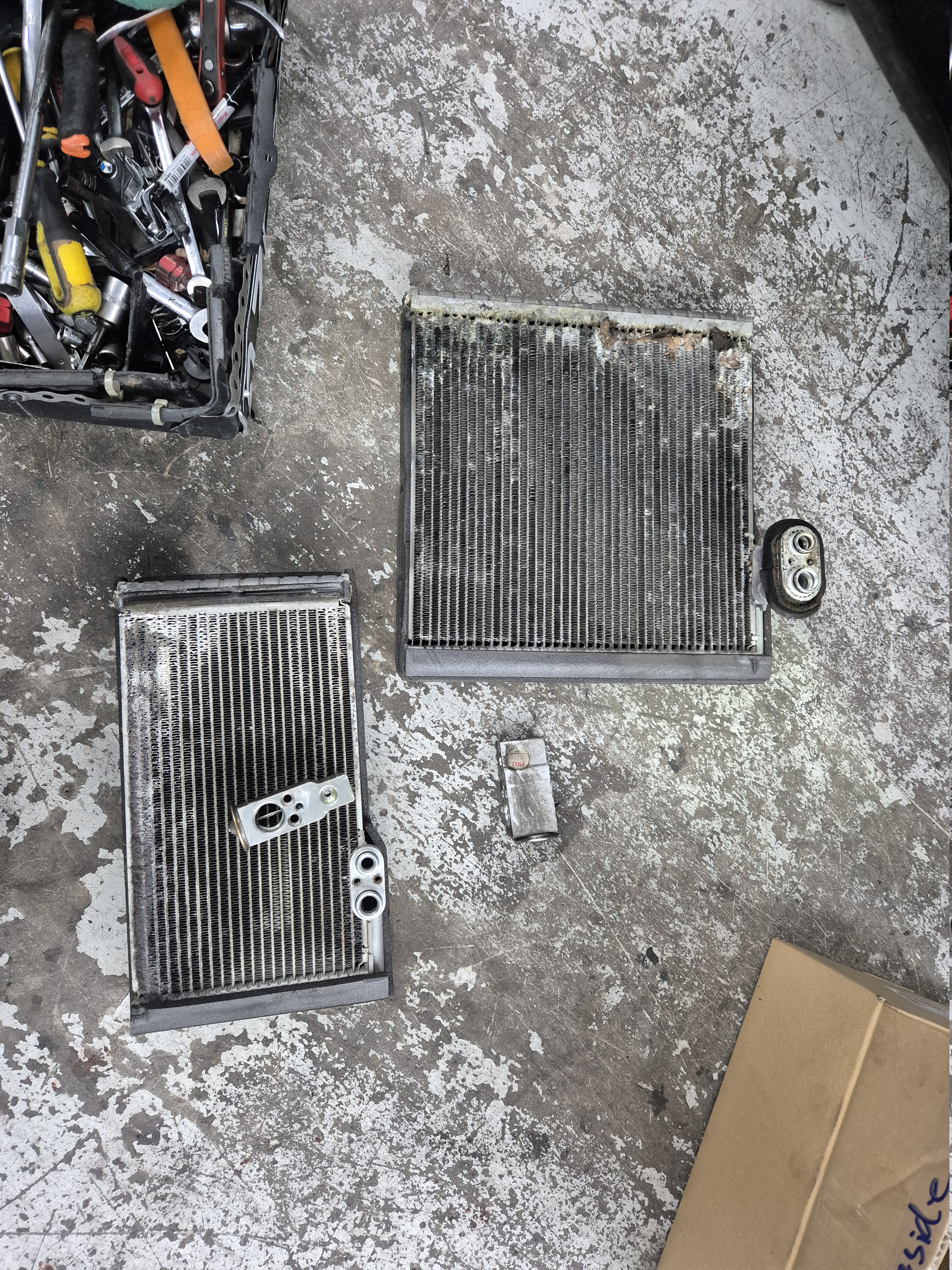
Ask which component was replaced, its specification and whether the invoice describes it accurately. New, remanufactured and used are different descriptions; none alone proves suitability. Where relevant, confirm the part number or application and clarify associated seals, fluids or fittings. Do not assume every item visible in an engine-bay photograph was part of the repair.
Removed parts can help explain findings, but availability should be agreed early. Some parts have supplier return or exchange requirements, and handling contaminated components needs care. A photograph of a removed component is useful supporting information, not automatic proof of the cause. Agree before work if you would like photographs or to discuss whether an old part can be retained.

These questions work best alongside clear repair authorisation and spending limits. Asking after collection cannot retrospectively define an approval that was never recorded.
Ask how the repair was checked, not just whether it is “okay”
Verification should match the job. Depending on the work, relevant checks might include leak inspection, operating-temperature checks, electrical measurements, a scan or a controlled road test. Not every repair requires every test. Ask what was actually performed, under what conditions, and whether the original symptom was absent during those checks.
A cleared warning light is not the same as a confirmed fix. Some faults need particular temperatures, loads or driving conditions to return. Equally, an old stored code does not automatically mean current failure. Ask whether there were active findings, what was addressed and what needs monitoring. There is no honest universal promise that one check rules out every future fault.
If an aircon repair was involved, compare the explanation with our guide to what aircon diagnostic checks establish. Cooling measured under one condition may not describe performance after prolonged idling in afternoon heat.
What if something feels different after repair?
A different feel is a reason to ask, not a reason to assume either disaster or normality. A corrected worn mount may change vibration; a battery disconnection may affect some vehicle settings. Whether any particular change is expected depends on the model and the work. Ask for an explanation rather than accepting a vague instruction to “let it settle”.
For a concern that appears later, record when it happens, the warning displayed, speed or operating condition and whether it resembles the original complaint. Only photograph or record when safely parked, or let a passenger do so. Keep the invoice handy. Our repair second-opinion guide explains which records help another assessment without assuming the previous workshop was wrong.
A new symptom may be related to the repair, a separate fault or a condition that was not reproduced earlier. The next step is assessment, not remote certainty. Do not authorise another round of parts replacement solely because a social-media comment names a likely culprit.
Red flags: do not drive home to “see how it goes”
- Loss of braking assistance, abnormal pedal behaviour or unsafe steering.
- Overheating, steam, smoke or a strong burning smell.
- A red oil-pressure warning, substantial fluid loss or severe mechanical noise.
- A tyre, wheel, door or other safety-critical component that appears insecure.
If something is unsafe at collection, tell the workshop before leaving. If it happens on the road, stop in a safe place and seek appropriate assistance. The dashboard warning-light guide helps distinguish common warning categories, but the vehicle handbook remains important. Do not continue a dangerous journey just to return to the same workshop.
Cost, follow-up and warranty questions to settle clearly
Compare the final itemised amount in Singapore dollars with the agreed scope and any later approvals. Ask about a difference before making assumptions: additional diagnosis, access labour, parts specification, consumables and taxes where applicable can change a total. An estimate and a fixed quotation are not interchangeable; clarify which you received.
There is no reliable universal collection or recheck price to quote here. Ask whether a follow-up assessment is chargeable, what it includes and whether a further repair needs separate consent. Do not assume a recheck, towing, consequential damage or another component is covered. If warranty terms are offered, request their duration, scope, exclusions and claim procedure in writing. This guide does not promise a particular warranty.
For a broader comparison, see how to compare repair costs and scope. Comparing only the final number can miss differences in diagnosis, parts and included work.
Prevent misunderstandings on the next visit
Keep a simple repair history with dates, mileage and the actual work completed. Follow the manufacturer’s maintenance schedule and any specific written instructions related to the repair; there is no single replacement interval for every car. If a follow-up depends on mileage or operating conditions, ask exactly what that means for your vehicle.
Two misconceptions cause trouble: “a repair invoice means the whole car has been certified fault-free” and “any later problem must be the same repair failing”. Neither is a sound starting point. Clear scope, relevant verification and prompt reporting are more useful. Drivers travelling from Yio Chu Kang can send the repair records before an appointment rather than having to reconstruct the story at the counter.
Book a planned assessment at Edwin Garage
At Edwin Garage, our aim is a practical discussion about the concern, evidence and next step—not a diagnosis by message. Routine diagnostics, checks and inspections are appointment only. Book online only; WhatsApp is for enquiries, not bookings. Genuine breakdown, overheating, accident and no-start emergencies may be exceptions, subject to availability.
Book an assessment online WhatsApp Edwin with a handover enquiry
We are at Blk 5032 Ang Mo Kio Industrial Park 2 #01-295, Singapore 569535, Monday–Saturday 10am–8pm, closed Sundays. Browse our Singapore car repair guides for related preparation advice.
What should I check before collecting my car after repair?
Confirm the work completed, the final itemised invoice, the checks performed and any unresolved items or follow-up instructions. Ask how the findings relate to your original complaint. Check relevant accessible functions safely while parked; do not inspect hot or moving components yourself.
Should I receive my old car parts back?
Ask before work starts whether removed parts can be retained or photographed. Exchange arrangements, supplier returns and safe handling can affect availability. A removed part can support an explanation, but does not by itself prove the cause or the quality of the repair.
Does a cleared warning light prove the repair worked?
No. A cleared light alone is not proof. Ask what fault was established, what work addressed it and which checks were performed afterwards. Some intermittent faults require specific operating conditions to reappear, so the limits of verification should be explained.
What if the original problem returns after collection?
Record the conditions and contact the workshop with your repair documents. If braking, steering, overheating, smoke or another serious warning makes driving unsafe, stop safely and arrange appropriate assistance. A returning symptom needs assessment; do not assume its cause or continue driving to test it.
Is a follow-up check automatically free or under warranty?
No. Coverage depends on the agreed terms, the work performed and the findings. Ask about assessment charges, exclusions and any written warranty procedure before authorising further work. Routine follow-up checks at Edwin Garage require an online appointment; WhatsApp is for enquiries only.
Key Takeaways
- Confirm the work completed, the final itemised invoice, the checks performed and any unresolved items or follow-up instructions. Ask how the findings relate to your original complaint. Check relevant accessible functions safely while parked; do not inspect hot or moving components yourself.
- Ask before work starts whether removed parts can be retained or photographed. Exchange arrangements, supplier returns and safe handling can affect availability. A removed part can support an explanation, but does not by itself prove the cause or the quality of the repair.
- No. A cleared light alone is not proof. Ask what fault was established, what work addressed it and which checks were performed afterwards. Some intermittent faults require specific operating conditions to reappear, so the limits of verification should be explained.
- Record the conditions and contact the workshop with your repair documents. If braking, steering, overheating, smoke or another serious warning makes driving unsafe, stop safely and arrange appropriate assistance. A returning symptom needs assessment; do not assume its cause or continue driving to test it.
Got a Question? Ask Edwin
Edwin Garage is located in Ang Mo Kio. Serving Hougang, Yio Chu Kang, Serangoon & surrounding areas.
WhatsApp Edwin Book Appointment📚 More on Car Servicing & Repair
- Car Repair Handover Checklist in Singapore: Before You Leave
- Car Repair Authorisation in Singapore: Set Limits Before Work
- Car Repair Second Opinion in Singapore: Compare Evidence & Scope
- How Edwin Garage Diagnoses Car Problems Without Guessing in Singapore
- What Happens When You Bring Your Car to Edwin Garage for the First Time?