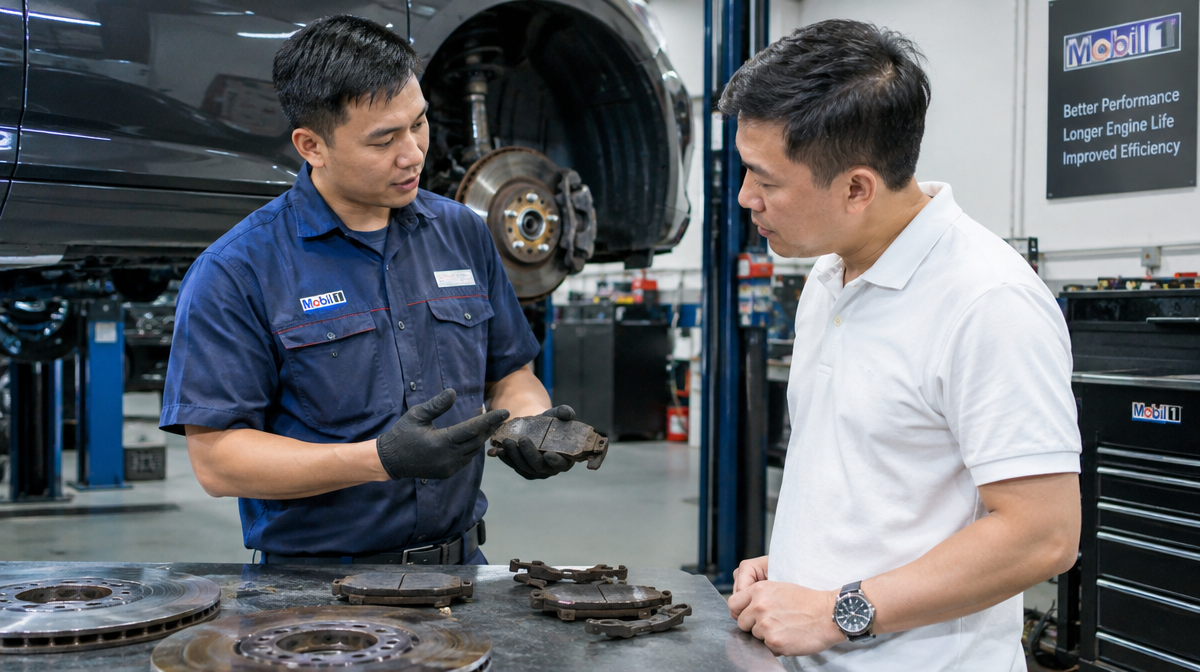
Car servicing does not need to be confusing, drawn-out or full of surprises. In Singapore, where a car’s reliability affects work, family routines and everyday travel, most drivers want the same thing: a workshop that explains what is needed, carries out the work efficiently and treats the car with care. Honest and quick servicing is possible when the scope of work, timing and approval process are clear from the start.
“Quick” should not mean rushed. A proper service still needs checks that suit the vehicle’s age, mileage, service history and symptoms. The aim is to avoid wasted waiting time while making sensible decisions based on the car’s condition. This guide explains what to expect, what to ask and how to keep each visit straightforward.
What an honest service experience looks like
Honesty is often visible before any work begins. A good service advisor should ask about your car, its mileage, recent repairs and any concerns such as unusual noises, warning lights or changes in braking. They should then explain the planned service items in plain language.
For routine maintenance, the workshop should be able to distinguish between:
- Essential work now: items needed for safe operation or to address a confirmed problem.
- Scheduled maintenance: work due according to the vehicle maker’s maintenance guidance, mileage or time interval.
- Monitoring items: parts that are not yet due or faulty but should be checked again at a future visit.
That distinction matters. It lets you understand the reason for each recommendation instead of being presented with a single unexplained total. Ask for an itemised estimate that separates labour, parts, fluids and any inspection or diagnostic charge. If alternatives are offered, such as different approved oil specifications or part options, ask how they differ and whether they suit your vehicle.
Start with the correct service scope
Many delays happen because a booking was made for a basic oil service when the car also needs fault diagnosis, brake inspection or a major maintenance interval. When booking, provide the registration model details if requested, current mileage, the date of the last service and a short description of any warning light or symptom. Mention whether the car has been parked for a long time, recently failed to start, pulled to one side, overheated or made a new sound.
A standard periodic service commonly includes an engine-oil and filter change, checks of essential fluid levels, tyres, brakes, lights, battery condition and visible leaks. The exact list depends on the model and the chosen service package. Items such as transmission fluid, spark plugs, coolant, brake fluid, cabin filters and drive belts may have their own intervals. Rather than assume every item is included, ask for the checklist for your booking.
How a workshop can be quick without cutting corners
Efficient servicing is mostly preparation. Booking a time slot gives the workshop a chance to allocate a bay, confirm the correct consumables and plan staff time. Arriving on time and sharing symptoms in advance also helps. For common maintenance work, the advisor may be able to provide a realistic collection window, but it is sensible to allow extra time if inspection findings require your decision or parts need to be sourced.
Speed should never replace confirmation. If the technician finds a worn component or identifies a fault outside the original request, the workshop should contact you with the finding, price and likely impact before proceeding. This protects you from unexpected work and gives you a chance to ask questions. Agree in advance whether you want a call, message or written estimate for additional items.
Questions to ask before approving work
A few focused questions can make the conversation clearer and reduce guesswork:
- What is included in today’s service, and what is not
- Which recommendations are urgent, which are due by schedule and which can be monitored
- What is the total estimate including labour, parts and taxes or fees where applicable
- Will you contact me before any work outside the quoted scope is carried out
- What caused the issue, if there is one, and what evidence was found
- When should the next service or follow-up inspection be planned
For a repair recommendation, it is reasonable to ask to see the worn item where practical, or to receive photos of the finding. The goal is not to challenge every professional recommendation; it is to understand the condition and make an informed approval.
Keep your own service record
Good records support quicker servicing at the next visit. Save invoices, inspection notes and the date and mileage of each service. Note the oil grade used, major replacement parts and any recurring concerns. This history helps a workshop avoid duplicate work and makes it easier to spot patterns, such as repeated battery issues or gradual tyre wear.
It also helps drivers plan ahead. If a tyre, brake component or battery is being monitored, write down the recommended review point. Do not wait for an annual service if a warning light appears, braking changes noticeably, the engine temperature rises or the car feels unsafe to drive. Those situations call for prompt professional assessment.
Red flags to handle carefully
Not every unexpected recommendation is unnecessary; vehicles can reveal problems during an inspection. However, take time to clarify if the explanation is vague, the estimate is not itemised, or you are pressured to approve work immediately without a safety reason being explained. A reputable workshop should be comfortable describing the fault, the proposed remedy and the consequence of delaying a non-urgent repair.
Likewise, be cautious about relying on a price alone. An unusually low headline price may cover only a limited scope or exclude required materials. Compare what is included, the parts specification, the inspection process and the approval policy—not just the first number quoted.
Make every service visit smoother
The best relationship with a workshop is collaborative. Book before your service is overdue, bring your service history when possible and describe symptoms clearly. Confirm the scope and approval limit at drop-off, then review the final invoice and next-service advice at collection. If anything remains unresolved, ask what was tested and what the recommended next step is.
Honest and quick car servicing comes down to clear information, suitable maintenance and no surprises. With an itemised plan and timely communication, drivers can keep their cars dependable while staying in control of the work being approved.
Frequently asked questions
How long should a routine car service take
Timing depends on the vehicle, service scope, workshop schedule and whether inspection findings need approval. Ask for an estimated completion window when booking, and allow extra time if diagnosis or additional parts may be needed.
Should I approve every item recommended during a service
Ask whether each item is urgent, scheduled or suitable to monitor. Essential safety-related faults should be addressed promptly, while other recommendations may be planned according to condition and the workshop’s explanation.
What should an itemised service estimate include
It should clearly identify the planned labour, parts, fluids and any diagnostic or inspection charges. Ask for clarification on anything that is not explained before authorising work.
Can a workshop service my car if I have a warning light
Yes, but tell the workshop before the appointment. A warning light may need diagnostic work in addition to routine servicing, and the cause should be identified rather than simply cleared.
Key Takeaways
- What an honest service experience looks like
- Start with the correct service scope
- How a workshop can be quick without cutting corners
- Questions to ask before approving work
Got a Question? Ask Edwin
Edwin Garage is in Ang Mo Kio. We serve Hougang, Yio Chu Kang, Serangoon & surrounding areas.
WhatsApp Edwin Book Appointment